

 /
/


极智项目 | YOLO11目标检测算法训练+TensorRT部署实战
- 项目获取:https://download.csdn.net/download/weixin_42405819/89930107
- 项目作者:极智视界
- 项目init时间:20241001
- 项目介绍:对YOLO11基于coco_minitrain_10k数据集进行训练,并使用py TensorRT进行加速推理,包括导onnx和onnx2trt转换脚本
- 项目参考:YOLO11部分参考 => https://github.com/ultralytics/ultralytics (这是YOLO11算法的官方出处)
2. 算法训练
(1) 数据集整备
数据集放在 datasets/coco_minitrain_10k数据集目录结构如下:
datasets/└── coco_mintrain_10k/├── annotations/│ ├── instances_train2017.json│ ├── instances_val2017.json│ ├── ... (其他标注文件)├── train2017/│ ├── 000000000001.jpg│ ├── ... (其他训练图像)├── val2017/│ ├── 000000000001.jpg│ ├── ... (其他验证图像)└── test2017/├── 000000000001.jpg├── ... (其他测试图像)
(2) 训练环境搭建
conda creaet -n yolo11_py310 python=3.10conda activate yolo11_py310pip install -U -r train/requirements.txt
(3) 推理测试
先下载预训练权重:
bash 0_download_wgts.sh执行预测测试:
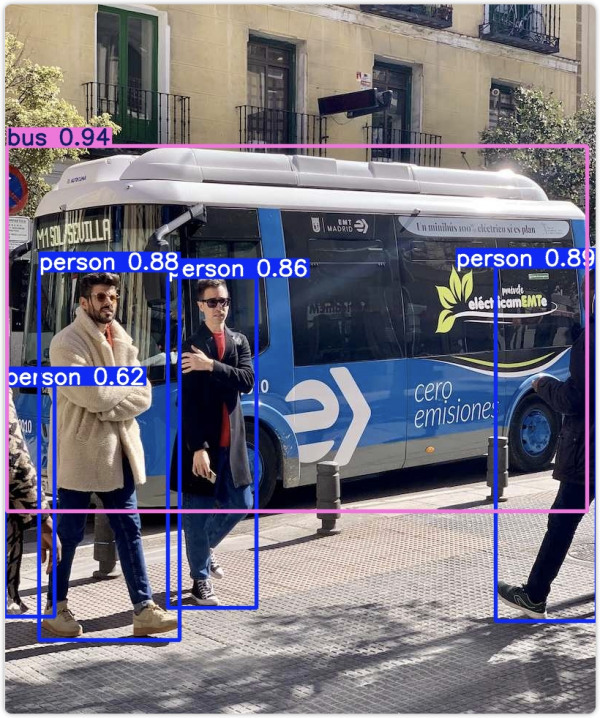
bash 1_run_predict_yolo11.sh预测结果保存在 runs 文件夹下,效果如下:
(4) 开启训练
已经准备好一键训练肩膀,直接执行训练脚本:
bash 2_run_train_yolo11.sh其中其作用的代码很简单,就在 train/train_yolo11.py 中,如下:
# Load a modelmodel = YOLO(curr_path + "/wgts/yolo11n.pt")# Train the modeltrain_results = model.train(data= curr_path + "/cfg/coco128.yaml", # path to dataset YAMLepochs=100, # number of training epochsimgsz=640, # training image sizedevice="0", # device to run on, i.e. device=0 or device=0,1,2,3 or device=cpu)# Evaluate model performance on the validation setmetrics = model.val()
主要就是配置一下训练参数,如数据集路径、训练轮数、显卡ID、图片大小等,然后执行训练即可
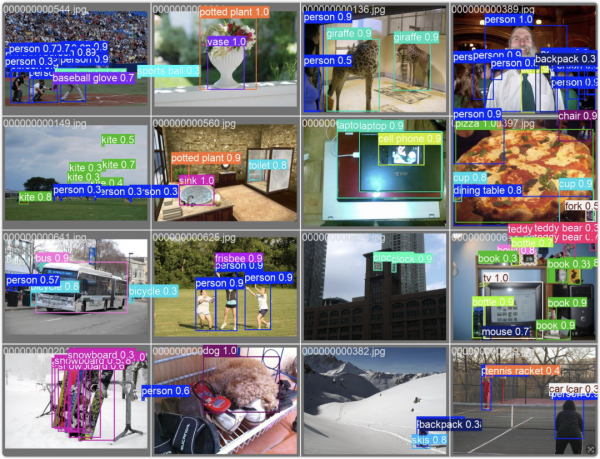
训练完成后,训练日志会在 runs/train 文件夹下,比如训练中 val 预测图片如下:
这样就完成了算法训练
3. 算法部署
使用 TensorRT 进行算法部署
(1) 导ONNX
直接执行一键导出ONNX脚本:
bash 3_run_export_onnx.sh在脚本中已经对ONNX做了sim的简化
生成的ONNX以及_simONNX模型保存在wgts文件夹下
(2) 安装tensorrt环境
直接去NVIDIA的官网下载(https://developer.nvidia.com/tensorrt/download)对应版本的tensorrt TAR包,解压基本步骤如下:
tar zxvf TensorRT-xxx-.tar.gz# 软链trtexecsudo ln -s /path/to/TensorRT/bin/trtexec /usr/local/bin# 验证一下trtexec --help# 安装trt的python接口cd pythonpip install tensorrt-xxx.whl
(3) 生成trt模型引擎文件
直接执行一键生成trt模型引擎的脚本:
bash 4_build_trt_engine.sh正常会在wgts路径下生成yolo11n.engine,并有类似如下的日志:
[10/02/2024-21:28:48] [V] === Explanations of the performance metrics ===[10/02/2024-21:28:48] [V] Total Host Walltime: the host walltime from when the first query (after warmups) is enqueued to when the last query is completed.[10/02/2024-21:28:48] [V] GPU Compute Time: the GPU latency to execute the kernels for a query.[10/02/2024-21:28:48] [V] Total GPU Compute Time: the summation of the GPU Compute Time of all the queries. If this is significantly shorter than Total Host Walltime, the GPU may be under-utilized because of host-side overheads or data transfers.[10/02/2024-21:28:48] [V] Throughput: the observed throughput computed by dividing the number of queries by the Total Host Walltime. If this is significantly lower than the reciprocal of GPU Compute Time, the GPU may be under-utilized because of host-side overheads or data transfers.[10/02/2024-21:28:48] [V] Enqueue Time: the host latency to enqueue a query. If this is longer than GPU Compute Time, the GPU may be under-utilized.[10/02/2024-21:28:48] [V] H2D Latency: the latency for host-to-device data transfers for input tensors of a single query.[10/02/2024-21:28:48] [V] D2H Latency: the latency for device-to-host data transfers for output tensors of a single query.[10/02/2024-21:28:48] [V] Latency: the summation of H2D Latency, GPU Compute Time, and D2H Latency. This is the latency to infer a single query.[10/02/2024-21:28:48] [I]&&&& PASSED TensorRT.trtexec [TensorRT v100500] [b18] # trtexec --onnx=../wgts/yolo11n_sim.onnx --saveEngine=../wgts/yolo11n.engine --fp16 --verbose
(4) 执行trt推理
直接执行一键推理脚本:
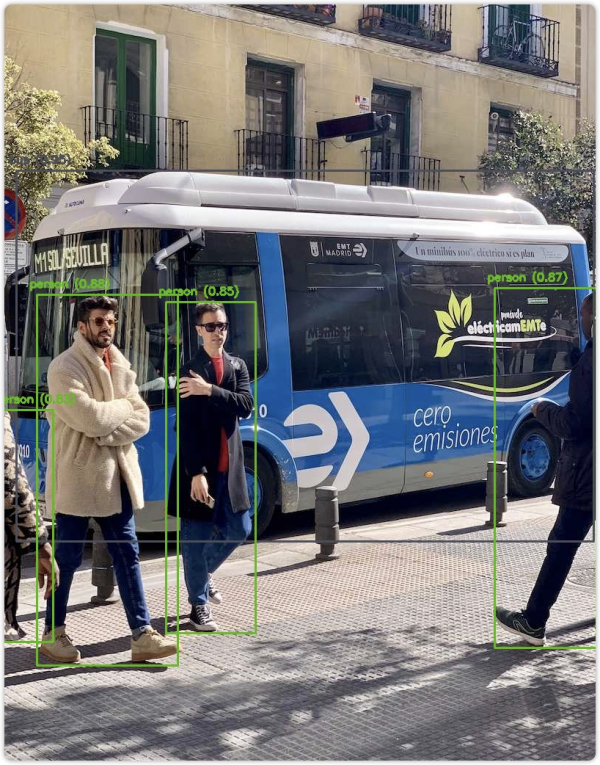
bash 5_infer_trt.sh实际的trt推理脚本在 deploy/infer_trt.py推理成功会有如下日志:
------ trt infer success! ------推理结果保存在 deploy/output.jpg
如下:
来源:极智视界
 0赞
0赞好文章,需要你的鼓励

 推荐文章
推荐文章
英国NHS无人机快递医疗样本服务正式落地伦敦
英国国家医疗服务(NHS)正将无人机纳入常规医疗物流体系。自今年2月起,无人机每天在雷恩斯公园和圣乔治医院之间运送血液等诊断样本,飞行仅需3分钟,比公路运输快约85%,且碳排放减少高达98%。目前已有逾2000名患者受益。NHS计划将该服务扩展至圣赫利尔、克罗伊登等多家医院,最终惠及约180万名患者。该网络由英国医疗初创公司Apian与谷歌旗下Wing合作运营。
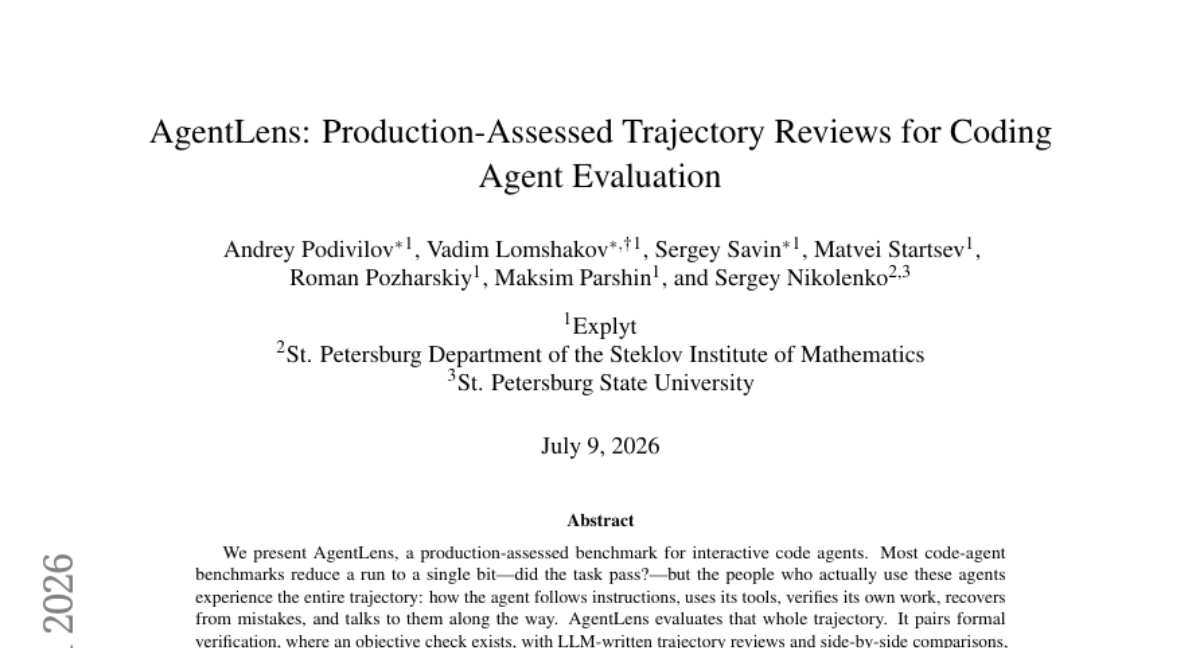
Explyt团队打造的代码智能体评测新标准:光靠“通过/失败“根本不够用
AgentLens是Explyt公司联合俄罗斯学术机构开发的AI编程助手评测基准,通过分析完整人机交互轨迹而非仅看最终结果,从五个维度评估代码智能体的真实表现。
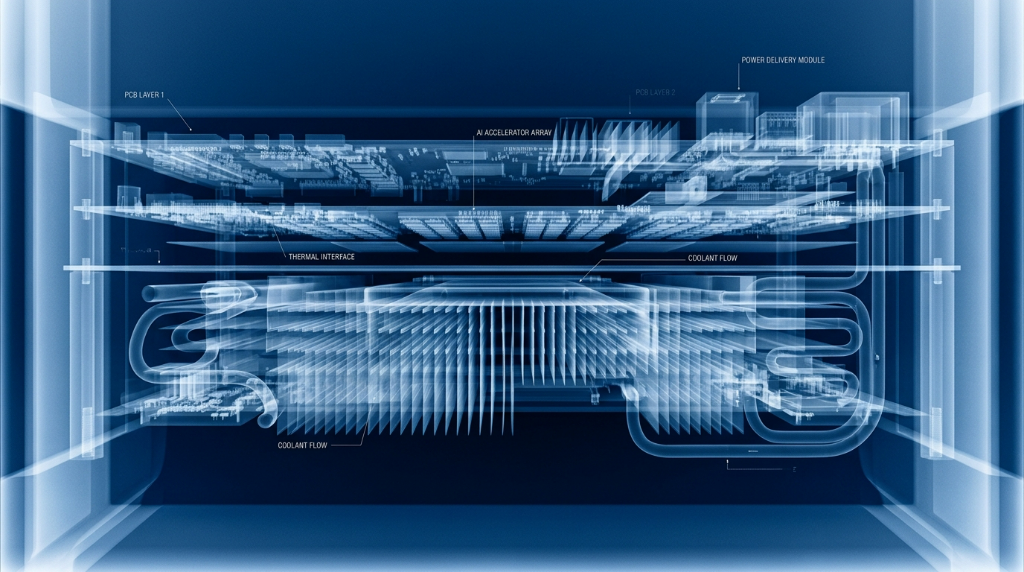
Aetina宣布支持英伟达Jetson T3000和T2000 AI模块
边缘AI计算厂商Aetina宣布,将在其DeviceEdge AIE-KT风冷系列和新款AIE-PT无风扇平台上支持英伟达全新Jetson T3000和T2000模块。T3000基于Blackwell GPU,最高提供865 FP4 TFLOPS算力,功耗70W;T2000则提供400 FP4 TFLOPS,面向视觉AI代理和自主移动机器人等场景。两款模块预计2027年第一季度上市,支持Nemotron、Cosmos 3等英伟达AI软件生态。
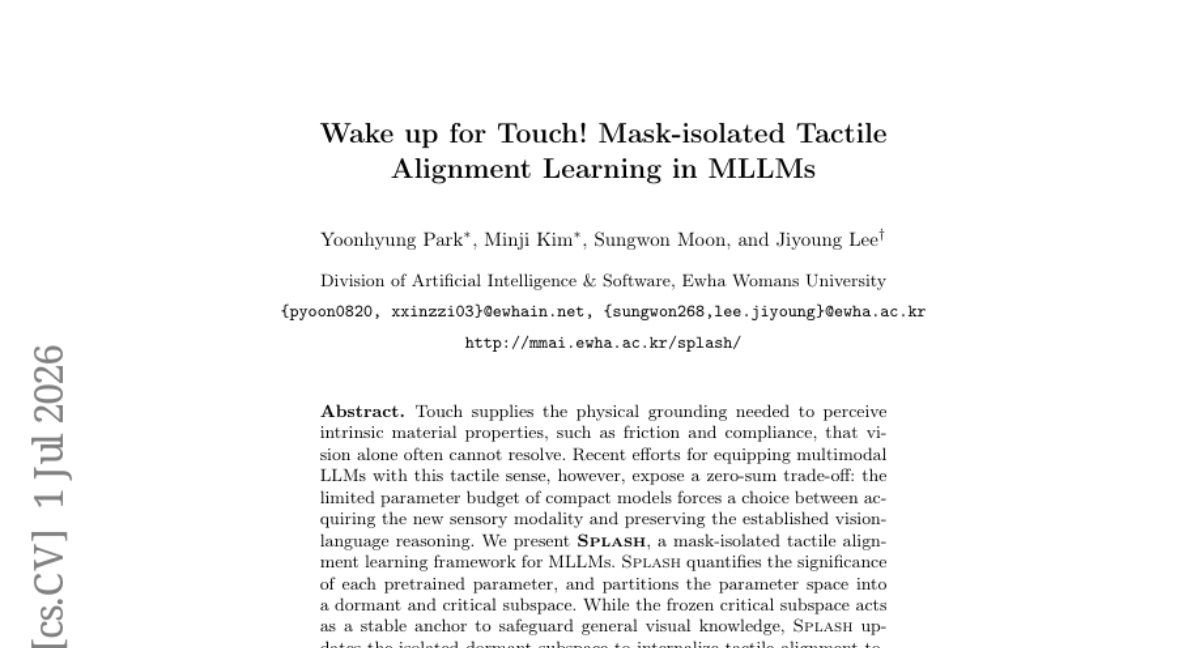
机器人的“触觉觉醒“:韩国梨花女子大学如何让小型AI模型在不忘记视觉的前提下学会“感受“材质
韩国梨花女子大学提出Splash框架,通过识别AI模型中的"休眠参数"并只在其中训练触觉能力,让小型多模态AI在学会感知材质触感的同时,完整保留原有视觉语言推理能力。
2024
10/29
11:04
分享


点赞







 京公网安备 11010802021500号 京网文(2025) 0096-033号 京字第20868号